3 min
Skia, Lottie, shaders, and SVG are the graphics engines
Skia, Lottie, shaders, SVG, Matter.js, Three.js, WebGPU, and Filament paint in ways I had to learn separately. Swapping one for another is a different screen.
React Native can draw in more than one way. A canvas, a designed timeline, a scene graph, a physics world. I used to lose those engines inside springs and nicknames, so I gave them their own group in the Animations sidebar.

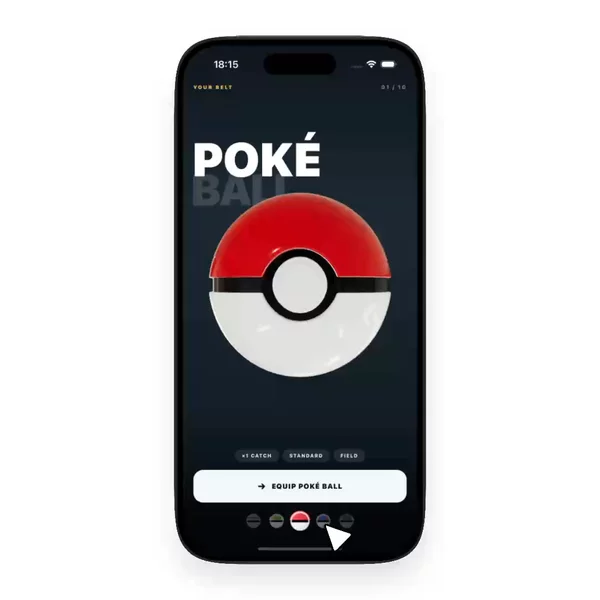

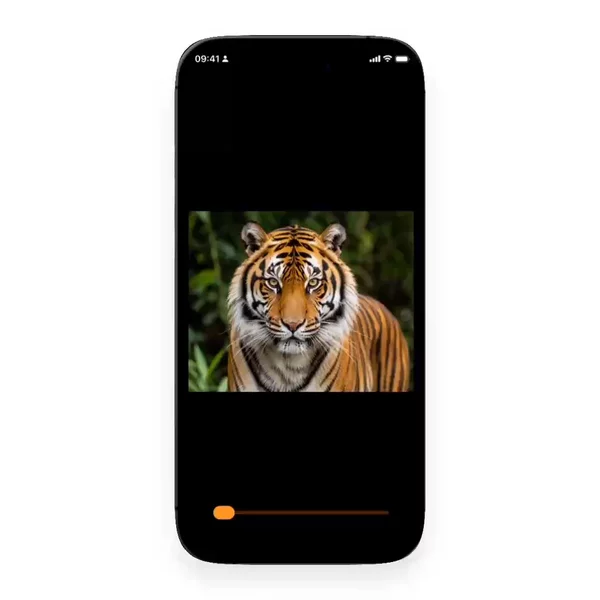

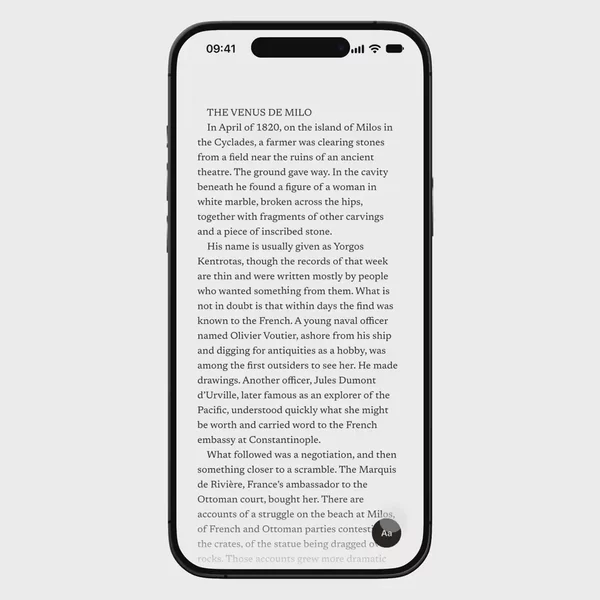

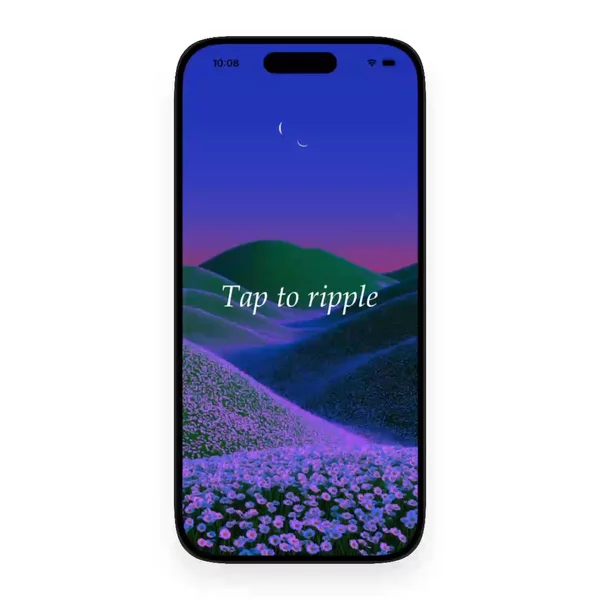
Graphics is not Core and not Patterns
Core is what drives a value: a gesture, a scroll, a shared value from react-native-reanimated. Patterns is the name of the motion: morph, shimmer, parallax.
Graphics is the painter. The API that actually puts pixels, paths, or meshes on the screen. Mixing the three cuts makes search worse. You remember the engine, or you are trying to learn the engine, and you land in a recipe pile instead.
Pick the engine by what you hand it
The fastest way I know to choose React Native graphics is to ask what the designer or the data gives you. The input decides the engine more often than the effect does.
- You get a path, a shape, or a gesture to follow. That is React Native Skia: a canvas on the UI thread where you draw paths, text, and images in code and redraw them when a shared value changes.
- You get a formula for color. Noise, liquid fills, distortion. That is a shader, a program per pixel that usually rides a Skia or GPU surface. It is not a gradient prop with a fancy name, which is the whole argument of the shaders post.
- You get an icon or an illustration. SVG keeps the geometry you already know from the web sharp at any size, and path morphs stay in the view tree.
- You get an After Effects export. That is Lottie: a designed composition played as JSON. The designer owns the timeline. You run it, scrub it, or loop it, but you do not construct its frames. A Lottie mascot animation is that contract in one character.
- You get objects that should collide. Matter.js brings 2D rigid-body physics: gravity, stacks, things you can throw. When the motion has to feel like objects, not like a tween.
- You get a model or a scene. Three.js gives you cameras, meshes, and lights, as in this 3D product screen. WebGPU goes closer to the metal without borrowing a scene graph. Filament is Google's physically based renderer for heavier real-time 3D.
Swapping one for another is not a refactor. A Lottie file cannot follow a finger the way a Skia path can, and a Skia canvas will not light a mesh.
Why they live in one group
Finding is the first reason. If you remember "it was Skia" or "it was a Lottie," you should not have to guess whether I filed it under Layout, Morph, or a random animation dump.
Separation is the second. Graphic concepts stay honest when they are not mixed with drivers and nicknames. Skia stays Skia. A shimmer stays a pattern. The clock stays in Core.
Learning is the third. Walk the six inputs above in order and you have a map of how React Native actually draws: canvas, shader, vector, composition, physics, scene. If you only learn one, learn the canvas first; the Skia post is where I would start.
Start from the input you have, then open that engine's term in the Graphics group and watch what other people painted with it.